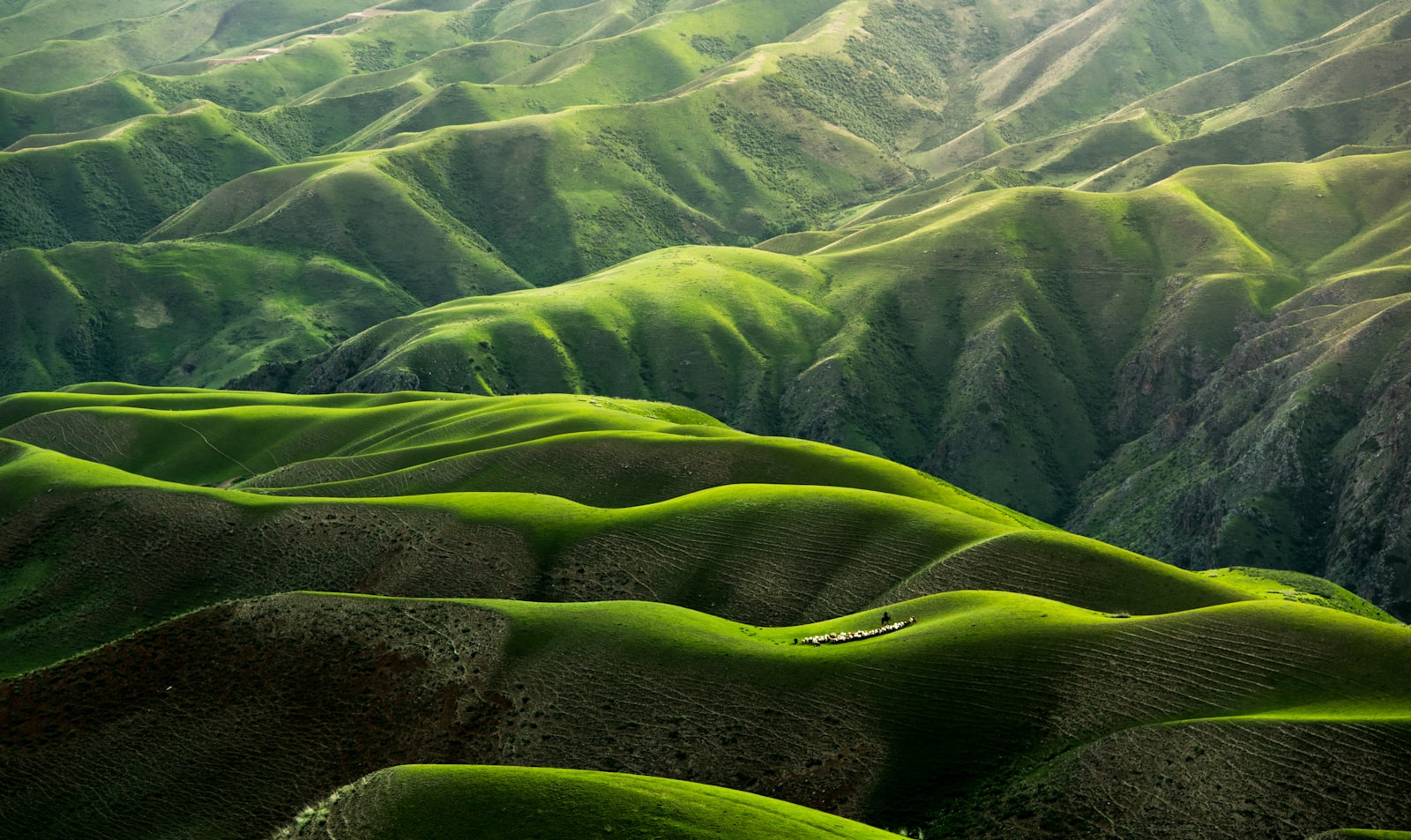
Green hill country at sunrise
Sustainability

Looking after the country that feeds the cows

Practical environmental management across water, soil, effluent and animal welfare — because a dairy farm only works long term if the land does.

Our position

Compliance is the floor, not the goal

New Zealand dairy farmers operate under some of the most detailed environmental rules in the world. We treat those rules as the minimum standard and aim to sit comfortably above them.

Good environmental management and good farming are usually the same thing. Healthy soils grow more grass. Well-managed effluent is free fertiliser. Fenced waterways mean fewer animal health problems. Shade and shelter mean more productive cows.

Our approach is deliberately practical: know what the rules require, keep the infrastructure that supports them in working order, record what we do, and fix problems as they appear rather than when someone points them out.

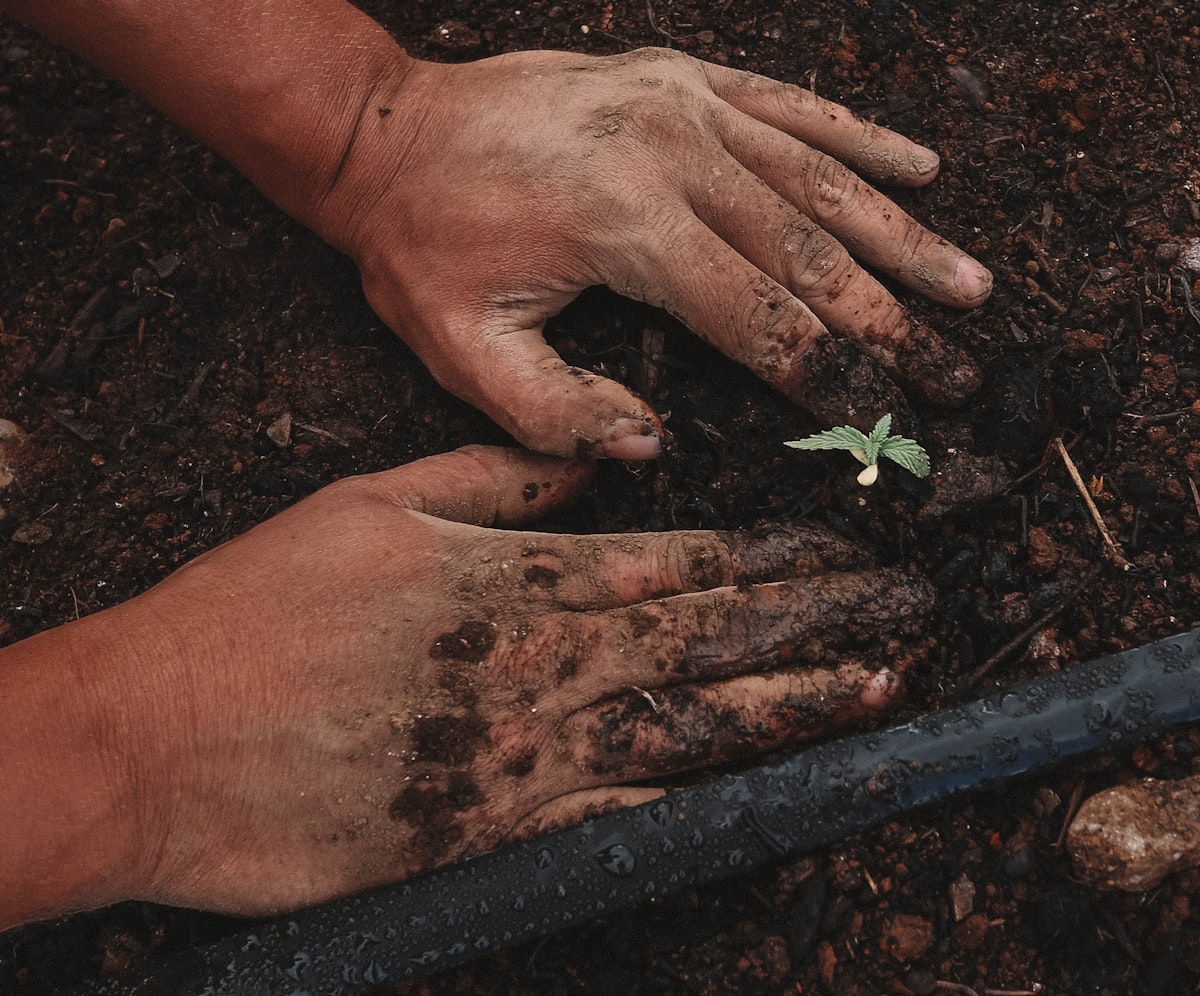
Hands working healthy dark soil
Four focus areas

Where we put the effort

These are the areas where a dairy farm has the greatest environmental footprint — and the greatest ability to improve it.

Water & waterways

Waterways on the property are fenced to keep stock out, with planted margins where they help filter runoff and stabilise banks. Crossings are bridged or culverted so cattle aren't walking through streams.

  • Stock exclusion from permanent watercourses
  • Riparian margins retained and planted over time
  • Stock water systems checked for leaks and waste
Effluent management

Dairy effluent is a nutrient resource when it's handled properly and a liability when it isn't. Ours is captured, stored with enough capacity to wait out wet conditions, and applied to land at rates the soil can absorb.

  • Adequate storage so application never has to happen on saturated ground
  • Application rates and depths matched to soil type
  • Records kept of when and where effluent is applied

Soil & nutrients

Fertiliser is applied to meet a measured need. Regular soil testing tells us what each block actually requires, which keeps nutrients in the root zone and out of waterways — and keeps costs down at the same time.

  • Soil testing to guide nutrient decisions
  • Nitrogen use within regulatory limits and applied when plants can use it
  • Attention to soil structure, including managing pugging in wet conditions

Animal welfare

Welfare standards are set by New Zealand's animal welfare codes, and we build our routines around them: adequate feed and water, shelter, prompt treatment of sick animals and humane handling at every stage.

  • Feed and water available at all times
  • Shade and shelter provided across the grazing platform
  • Sick or lame animals identified early and treated promptly
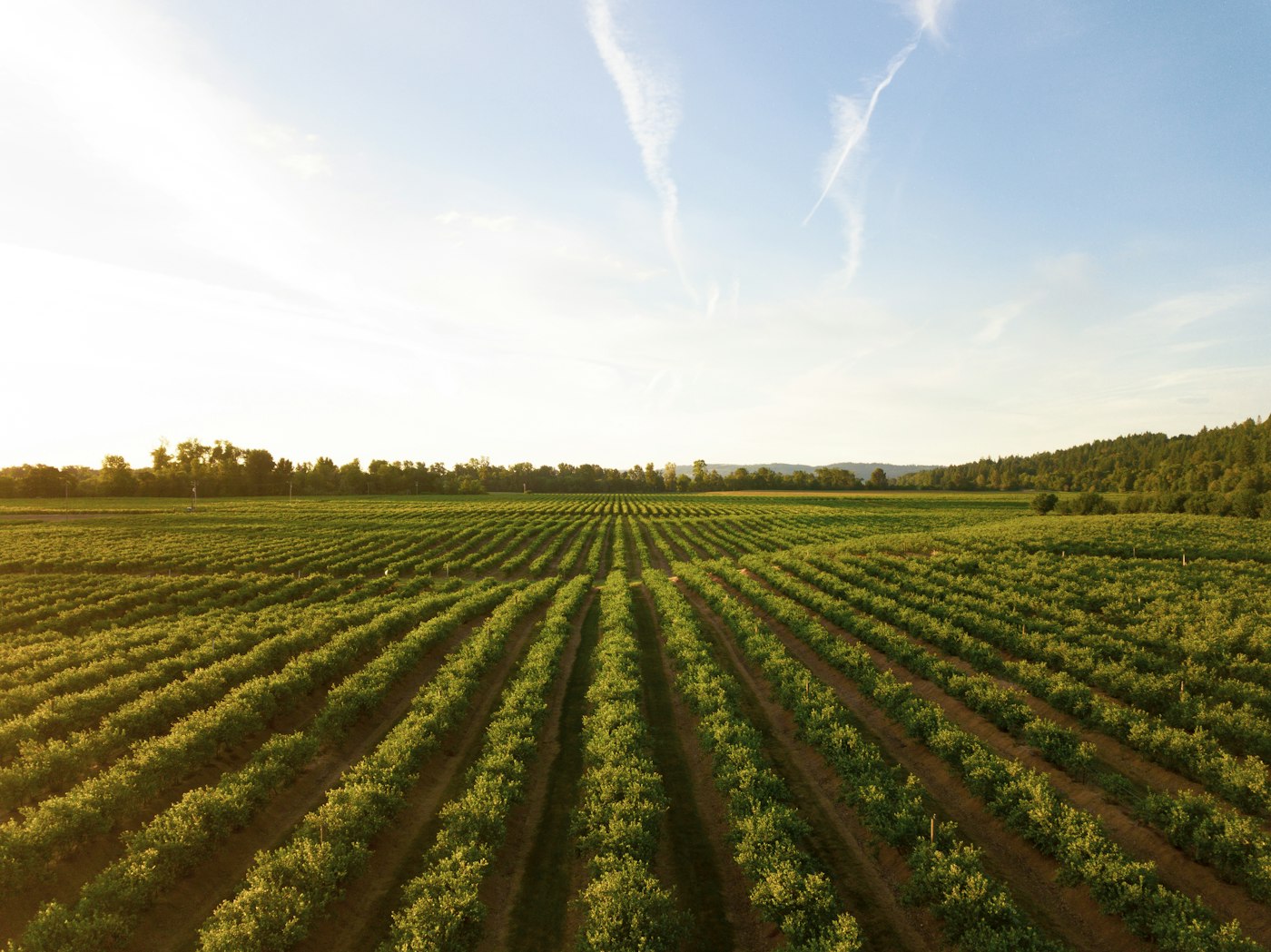
Green cropping rows on the farm
The next decade

Efficiency is the emissions strategy

For a pasture-based dairy farm, the most reliable way to reduce emissions intensity is to be more efficient: fewer wasted inputs, better feed conversion, healthier cows that stay in the herd longer.

That means the same disciplines that make the business work financially also move the environmental numbers in the right direction. Where new practices and technologies prove themselves on farms like ours, we'll adopt them.

  • Improving production per cow rather than simply adding cows
  • Reducing replacement rates by keeping healthy cows in the herd longer
  • Cutting waste in feed, fertiliser, fuel and water use
  • Keeping pace with sector reporting and regional council requirements
Our commitments

What you can hold us to

Resource consents, regional plan rules and national dairy standards are treated as firm requirements. Where a rule changes, we adjust the farm system to suit rather than looking for ways around it.

Nutrient applications, effluent management, animal health treatments and milk quality results are documented. Good records make compliance straightforward and make problems easier to diagnose.

Effluent systems, water lines, tracks and fencing are maintained on a planned basis. Deferred maintenance on a dairy farm eventually turns into an environmental incident or an animal health problem.

Farming happens alongside other people. We take care with spray timing, effluent application, stock movements on roads and noise, and we'd rather hear about an issue directly than have it fester.

Questions?

Ask us about how we farm

We're happy to talk through our environmental practices with neighbours, processors, councils or anyone with a genuine interest.