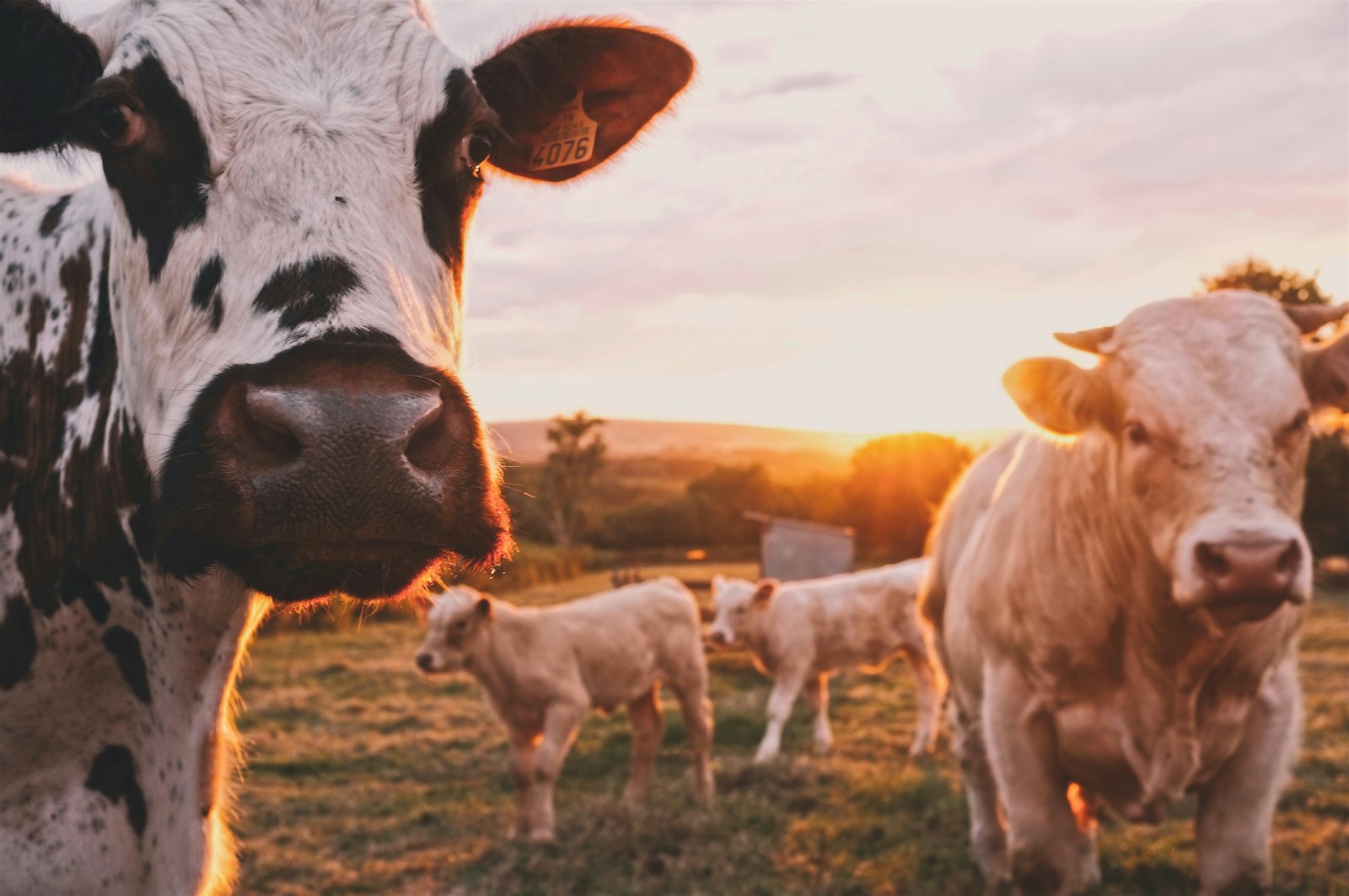
Seasonal calving
The herd calves to match peak pasture growth, so the cows' feed demand lines up with what the farm can grow.
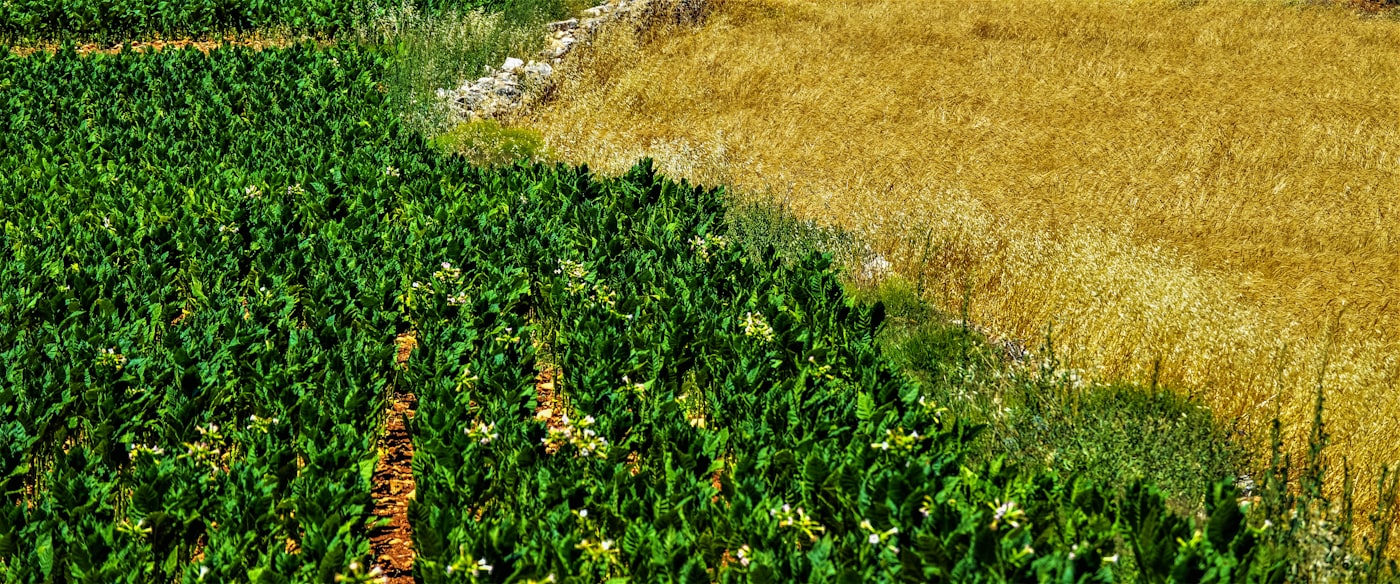
A pasture-based seasonal dairy system, managed day by day around three things: the herd, the feed and the milk.
New Zealand dairy farming is built on a simple economic advantage: cows harvesting their own feed from pasture. Everything below exists to make that system run smoothly through a full season.
The herd calves to match peak pasture growth, so the cows' feed demand lines up with what the farm can grow.
Paddocks are grazed in rotation on a round length set by growth rate, giving pasture time to recover before it's grazed again.
Production, animal health, feed and nutrient records are kept season by season and reviewed to inform the next set of decisions.
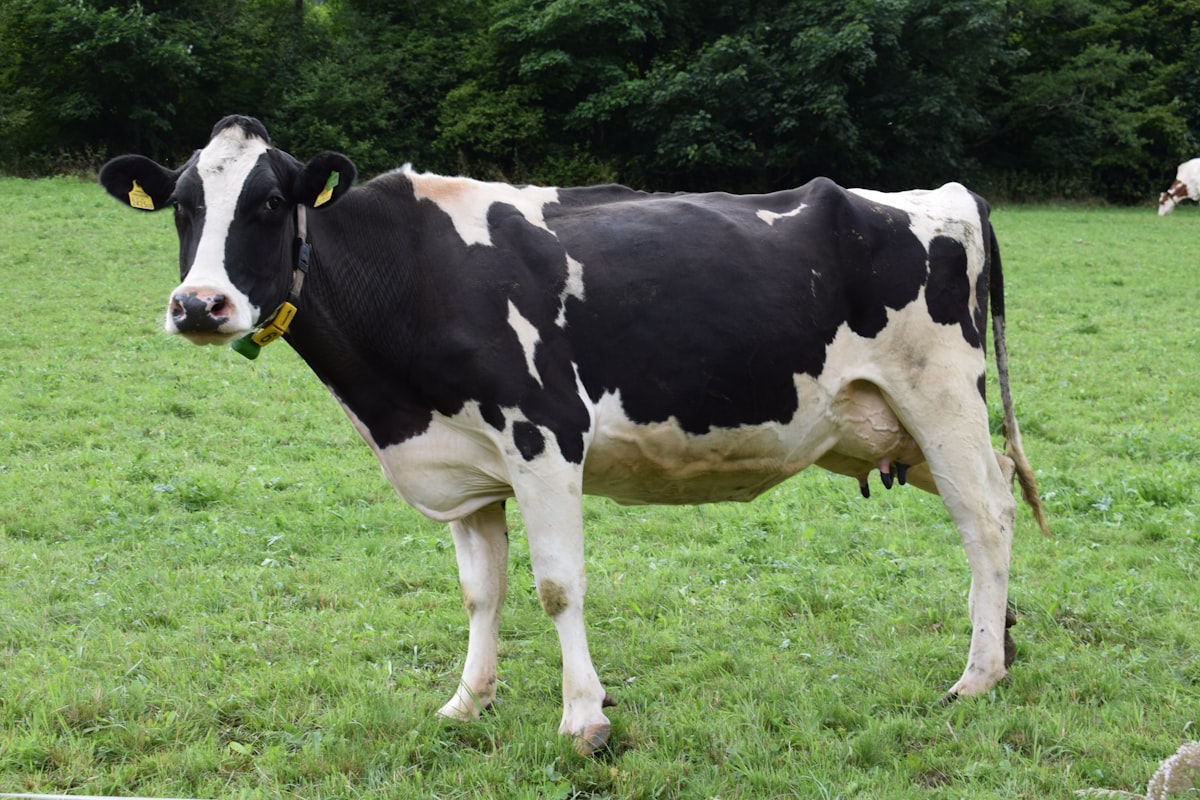
The herd is the engine of the business. Cows that hold condition, get in calf and stay sound will out-produce a bigger, poorly managed herd every time.
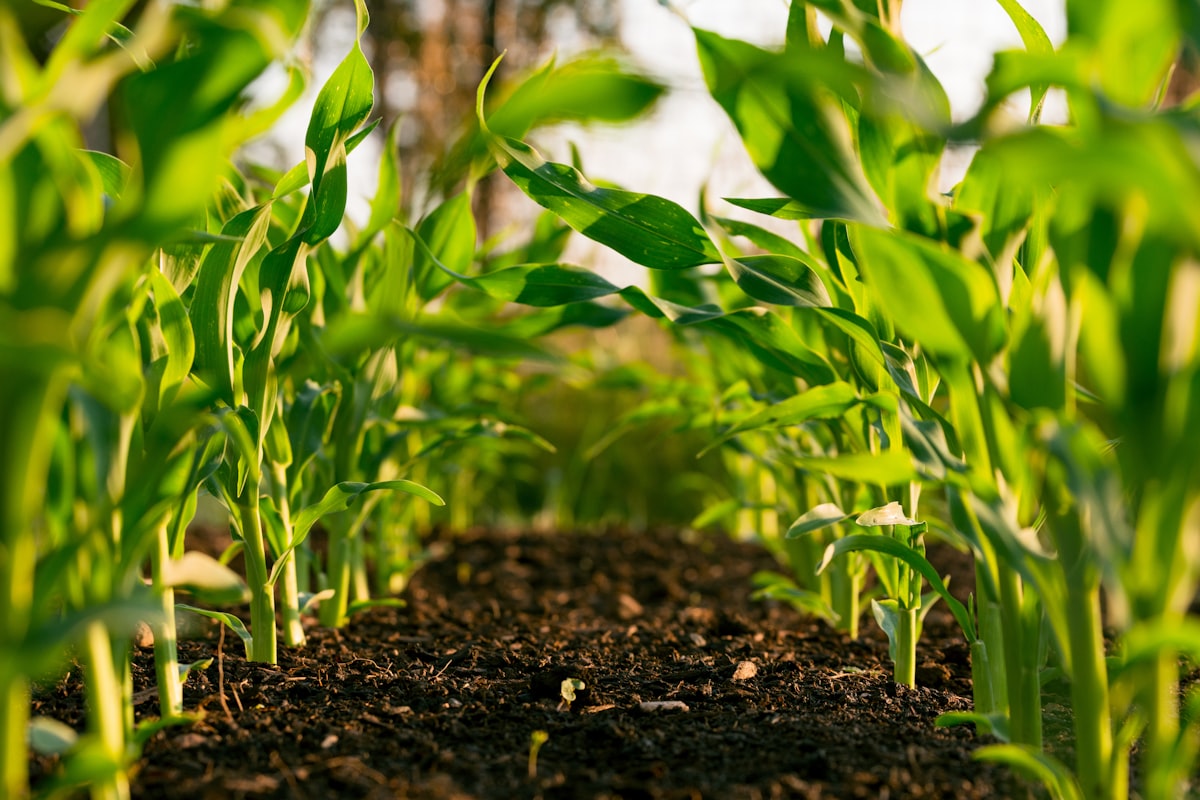
Home-grown pasture is the cheapest feed available, so most of the management effort goes into growing it well and putting it into cows rather than wasting it.
When pasture growth falls short, supplementary feed fills the gap — planned in advance and fed to a budget, not bought in a panic.
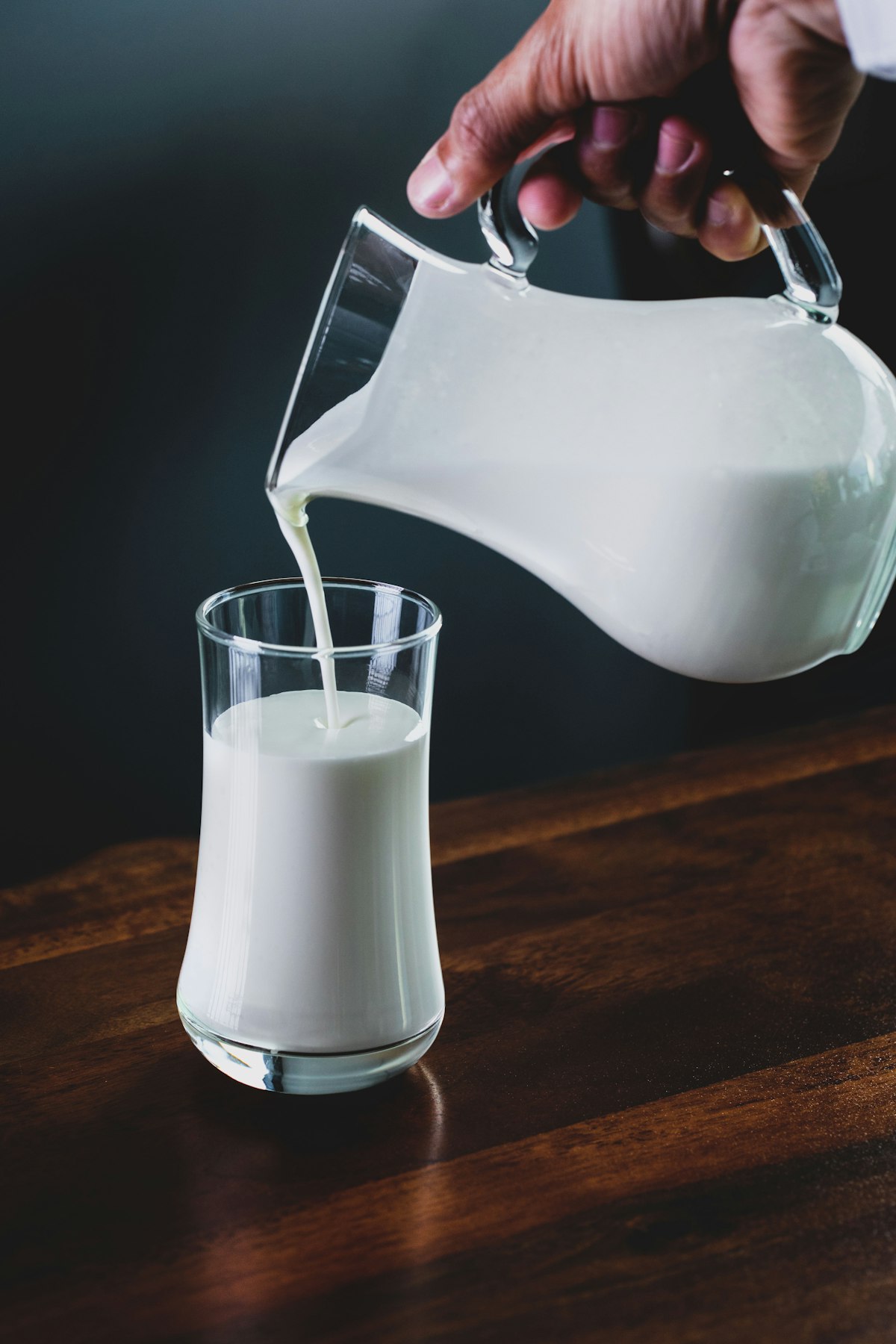
Milk quality is non-negotiable. Grades cost money and, more importantly, they signal that something in the system has slipped. Our routines are built so that doesn't happen.
Dairy farming runs to a calendar. Here's roughly how ours looks.
Cows dried off and wintered on maintenance feed. Infrastructure repaired, plant serviced, calving gear and feed lined up.
The busiest stretch: calving, calf rearing, herd back into milk and pasture growth climbing towards peak.
Mating period, surplus pasture conserved as silage, and close watch on soil moisture as conditions dry out.
Building cow condition ahead of drying off, pasture covers rebuilt for winter, and the season's results reviewed.
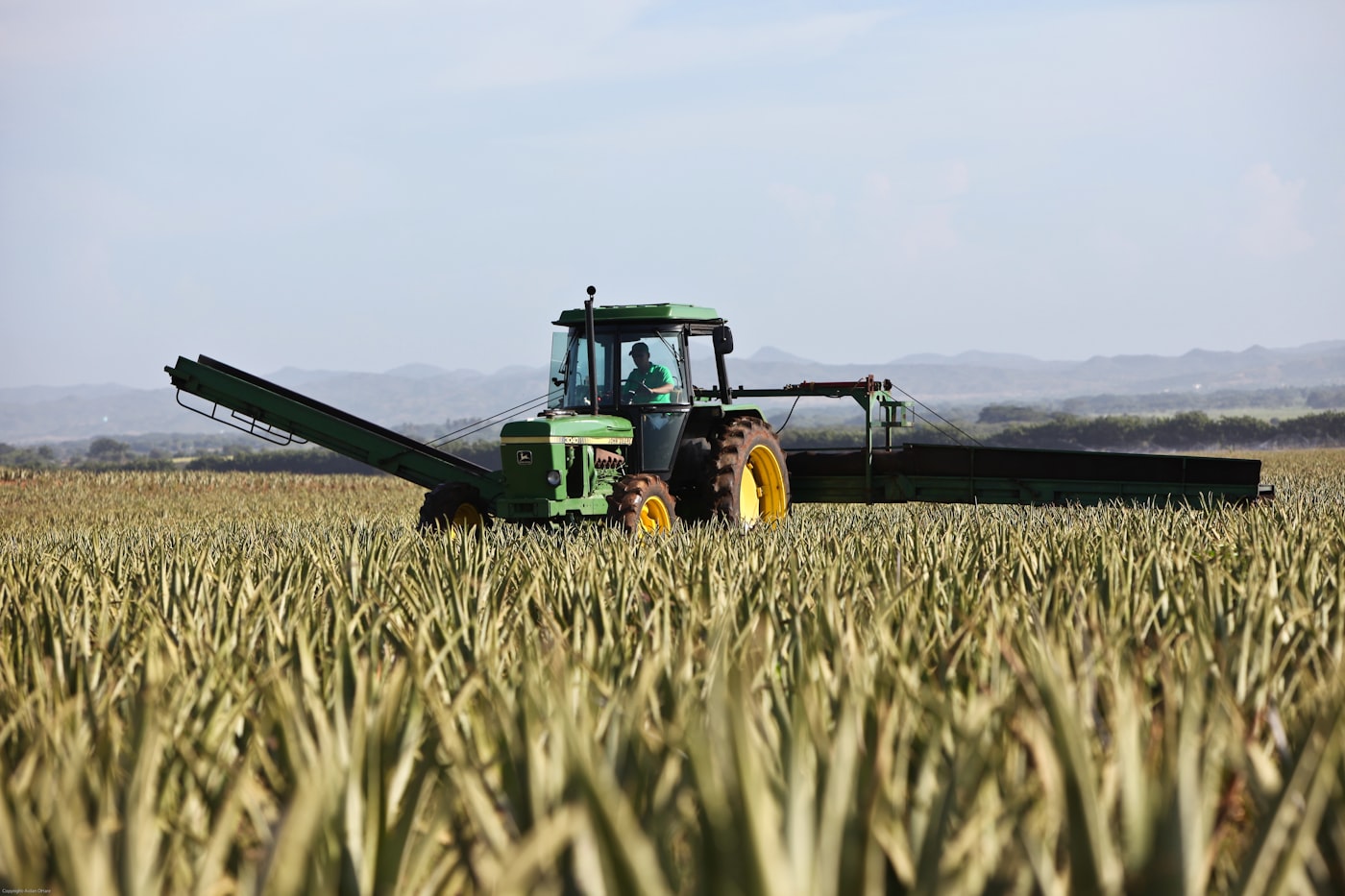
A farm runs on more than grass and cows. Keeping the working parts of the business in order is what makes the rest possible.
Well-maintained races protect cows' feet, tidy fencing keeps grazing under control, and reliable stock water is checked year round.
Hazards identified, machinery maintained, and anyone working on the property inducted before they start.
Fair rosters, clear expectations and proper training — dairy is a demanding job and it deserves to be treated as a career.
If you supply the dairy sector, contract in the Waikato, or are looking for farm work, we'd like to hear from you.